Practical guides on greenhouse film, shade net, drip irrigation, geomembrane and other agricultural materials.

What happens to a roll after its last season is decided by choices made when it was bought. Here is how collection, recycling and disposal really work, and how to specify film that does not become a liability.
Read More →
A covering can lose part of its service life before it is ever unrolled. Here is how to store, move, inspect and cut film so the roll reaches the tunnel in the condition it left the factory.
Read More →
Thickness is one number among several. Hoop spacing, fixing quality and site exposure decide most covering failures - here is how to match the film to the structure.
Read More →
Thermal film will not heat a greenhouse; it narrows the one heat-loss channel that dominates clear, cold nights. Here is how the additives work, how to read the numbers honestly, and where the trade-offs sit.
Read More →
Two films with the same thickness can age at very different speeds. Here is what a UV stabiliser package actually does, why the sun's ledger differs by altitude and latitude, and how to read a film warranty before it is tested.
Read More →
Two films can look identical on the roll and grow different crops. Here is how diffused light film works, what haze really measures, and why the middle of your canopy decides the size of your harvest.
Read More →
Anti-drip film does not stop condensation, and no film can. It only decides whether the water runs down to the gutter or lands on your crop. Here is what the additives are really doing.
Read More →
Most cover failures are decided on installation day, not in the factory. These are the errors that quietly cost a season of service life.
Read More →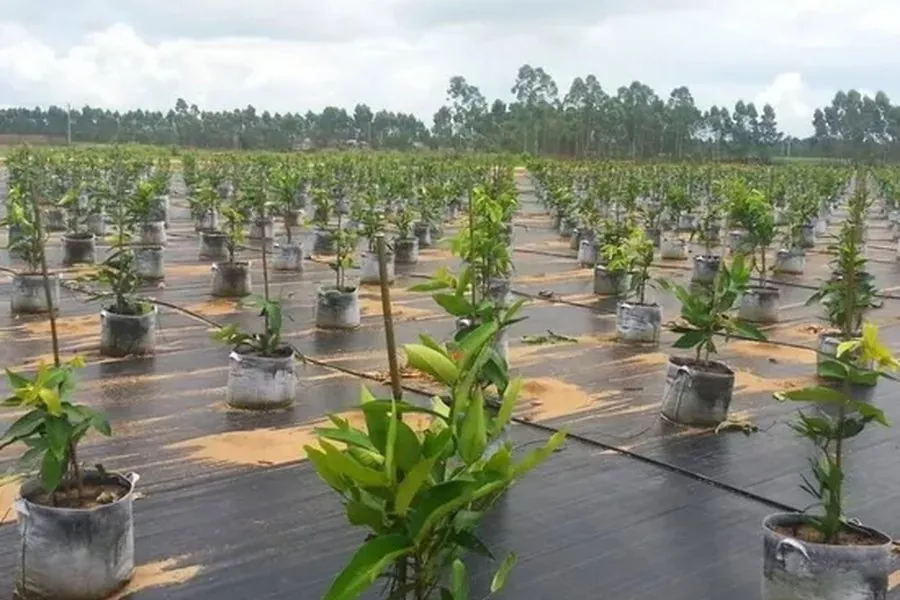
Two rolls can look the same in a photo and behave nothing alike on site. Here is how to decode the numbers that actually predict performance.
Read More →
Most repeat orders go wrong because nothing was written down the first time. Here is what to specify before you ask a factory for a price.
Read More →
Most garden beds fail not because the fabric was wrong, but because of how it was laid. Here is what a ground barrier really does, and the sequence that makes it last.
Read More →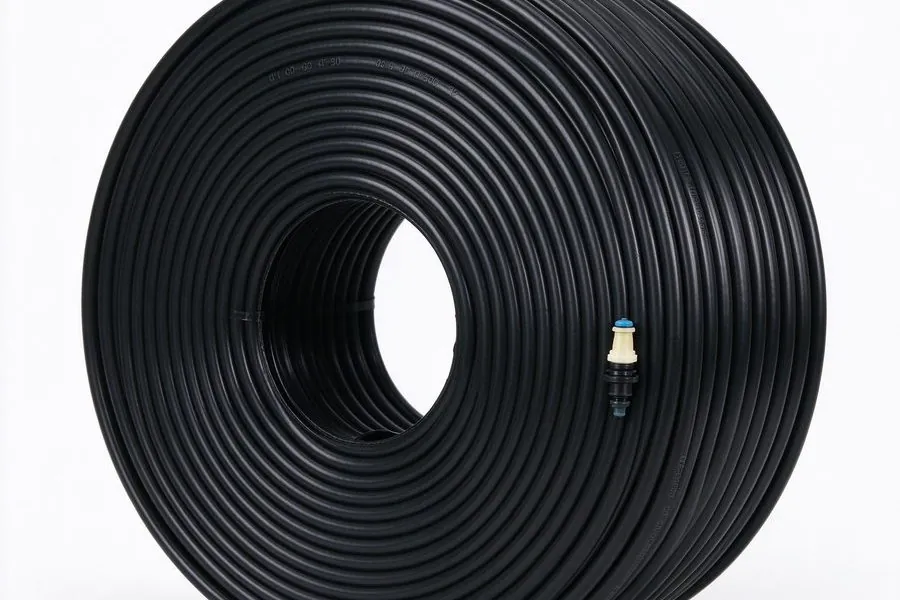
Drip tape gets the attention, but the header pipe decides whether every row receives the flow the design assumed. Here is how the two work together, and where installations usually go wrong.
Read More →
Film is no longer a commodity sheet bought by the kilo. Its optical, thermal and surface functions decide how much light reaches the lower canopy, how stable the climate stays and how much water the crop demands.
Read More →
The word tarp covers a dozen different products. Here is how to pick the one whose light, strength and service life match your structure instead of just its dimensions.
Read More →
Market headlines are easy to quote and hard to use. Here is how to turn global greenhouse film trends into a sourcing decision that survives your climate, crop and budget.
Read More →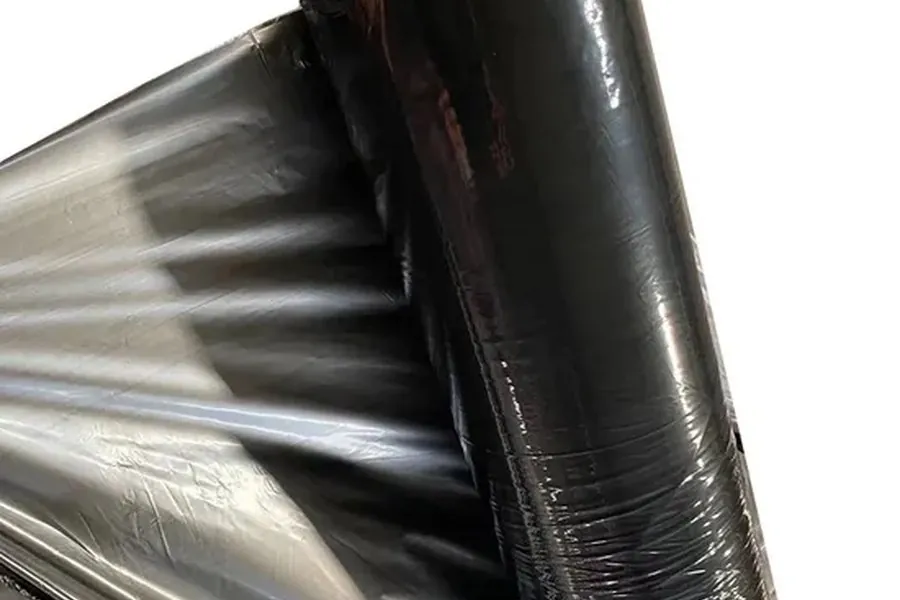
Thickness is the most quoted number on a mulch film enquiry and the least understood. Here is how to turn it into a specification a factory can quote accurately.
Read More →
Greenhouse film is an engineered covering, not just plastic sheeting. Learn what it is, how additives work and how to match it to your climate and crops.
Read More →
Thickness affects light, heat and service life. Here is how to match it to your climate and crop.
Read More →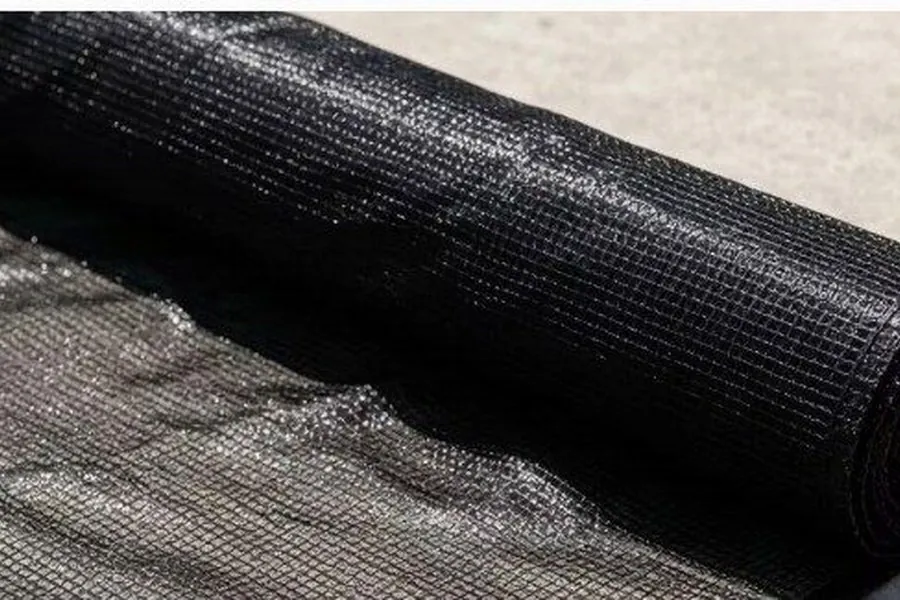
Different crops need different light levels. Learn which shade rate fits your application.
Read More →
Drip delivers water to the root zone with less waste. See when each method fits.
Read More →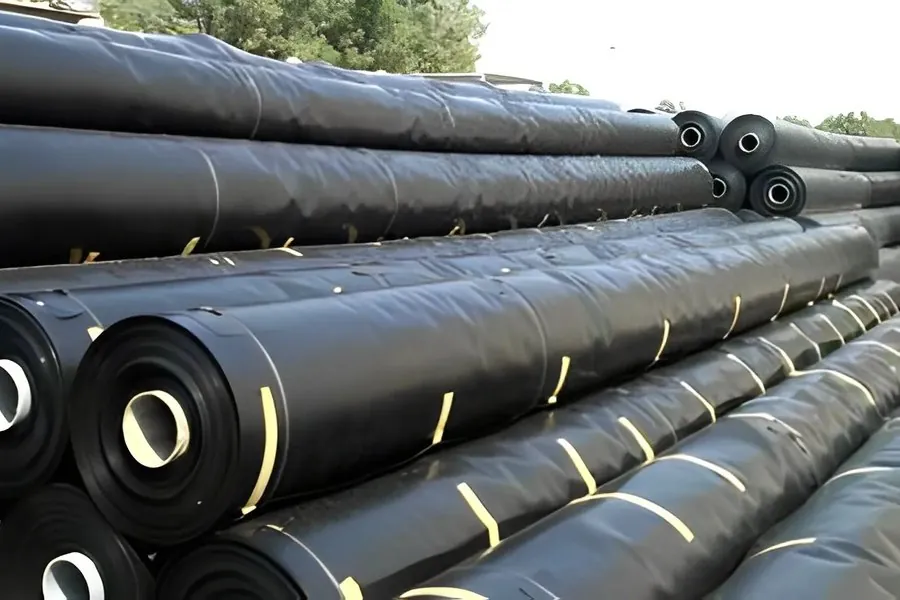
A proper liner prevents seepage and protects water quality. Here is what to specify.
Read More →
Film life depends on thickness, UV package and climate. Here is what to expect before you buy.
Read More →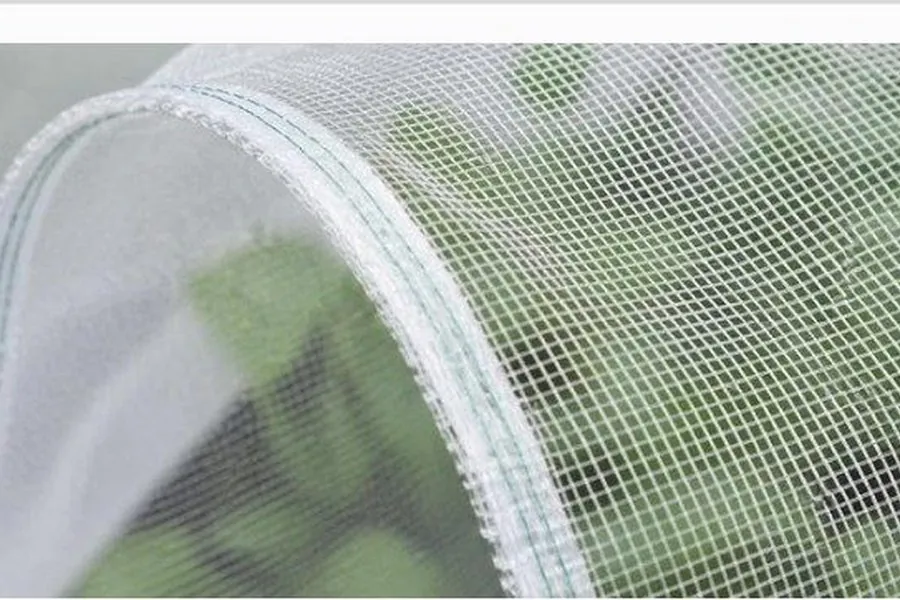
Finer mesh blocks smaller pests but reduces airflow. Here is how to balance the two.
Read More →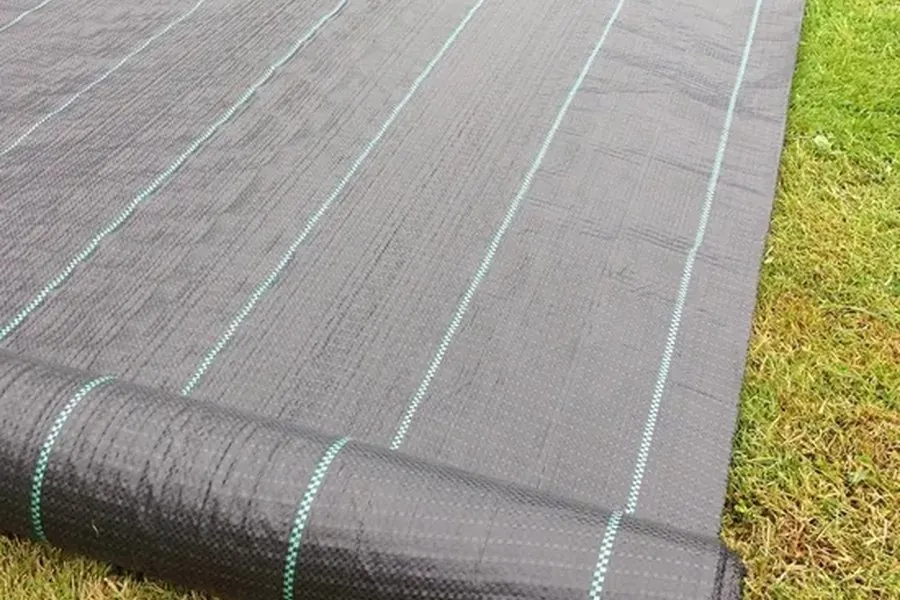
One is permeable and long lasting, the other warms soil for a season. See which fits.
Read More →
Estimate tape length from row spacing first, then add fittings and filters.
Read More →
From covering film to support rods, here is what a complete greenhouse order includes.
Read More →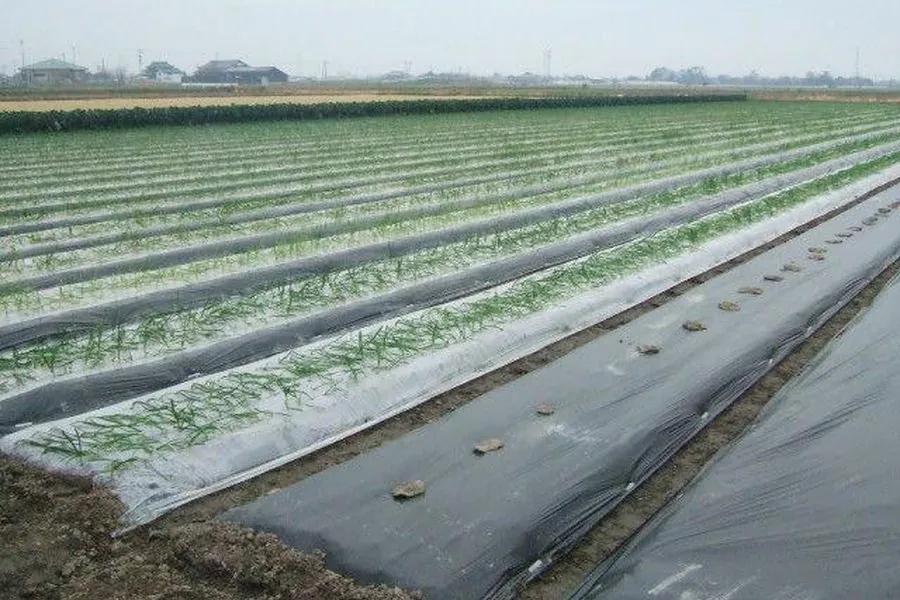
From first enquiry to container loading, what the import process actually looks like.
Read More →Tell us your crop, climate and project requirements. Our team will recommend suitable agricultural solutions.